|05. Social Impact — Sustainability Report 2025 | GEK TERNA
01GEK TERNA Group 02Sustainable Development 03Governance & Business Responsibility 04Environmental Footprint 05Social Impact
Human Capital & Working Conditions Occupational Health & Safety Training & Employee Development Human Rights & Equal Treatment Supporting Local Communities Sustainable Supply Chain
06Value Creation 07Appendices
ΕΛ EN
Sustainability Report 2025

Social
Impact

GEK TERNA Group recognizes that its growth is inextricably linked to its people, partners, local communities, and the broader social environment in which it operates. Creating positive social impact is a strategic priority, reflected in the Group’s approach to managing human capital, ensuring occupational health and safety, investing in training and skills development, promoting equal treatment and respect for human rights, supporting local communities, and strengthening a sustainable supply chain.

The nature of the Group’s activities requires a specialized workforce, continuous training, and well‑structured working conditions—factors that enhance efficiency, safety, and collaboration, and which the Group consistently supports over time.

Through the implementation of targeted policies and practices, the Group actively promotes employee well-being and fosters a positive and inclusive work environment, thereby reinforcing stakeholder trust. Its social responsibility extends beyond its own workforce to include value chain workers, suppliers, subcontractors, customers, partners, local communities, and the institutions with which it engages.

Social Impact — GEK TERNA
GRI2-7 GRI3-3 ATHEX ESGC-S2 ESRSS1-6 ESRSS1-7

Human Capital & Working Conditions

GEK TERNA Group, as a responsible social partner, shapes and ensures a balanced, safe and merit-based working environment, placing employees at its core and implementing employment practices that support the stability, professional development and the well-being of its human capital.

Its primary objective is the continuous improvement of human capital management through the adoption of best practices tailored to the needs of the individual subsidiaries, activities and Divisions. This approach ensures consistency, efficiency and alignment with the Group’s strategic objectives, taking into account the diversity of projects, the geographical dispersion of activities and the specific requirements of each business sector.
GEK TERNA Group Employees

The Group systematically records and monitors employee-related data on an annual basis, with the aim of understanding trends, assessing needs and improving employment policies and practices. This process supports decision-making and contributes to shaping a work environment that responds to evolving market requirements and employee needs.

In 2025, the Group’s total workforce amounted to 6,149 employees (31.12.2025), with female representation standing at 21.8%. The number of employees increased by 13% compared to the previous year, reflecting the expansion of the Group’s business activity and the increased staffing needs for the implementation and operation of major projects.

2025 Insights
6,149
Employees in the Group (31.12.2025) — 13% increase YoY
4,811 Male
1,338 Female

Distribution by contract type & employment type

Contract type
5,064
Permanent employees
78.5% Male
21.5% Female
61
Temporary employees
86.9% Male
13.1% Female
1,024
Self-employed individuals
76.6% Male
23.4% Female
Employment type
6,112
Full-time employees
78.5% Male
21.5% Female
37
Part-time employees
35.1% Male
64.9% Female

The high proportion of employees on permanent and full-time employment reflects the Group’s commitment to maintaining stable employment relationships and fostering long-term career prospects, taking into account the nature of its activities, which require specialized skills, technical expertise, and the delivery of projects of varying scale and complexity.

In addition, GEK TERNA Group records the number of non-salaried individuals provided by third-party companies, which amounted to 684 in 2025.

GRI401-1b ATHEX ESGC-S4 ESRSS1-6

Employee Turnover

Workforce mobility is systematically monitored by the Group by tracking hires and exits and analysing relevant metrics, with the aim of strengthening its practices in talent attraction and management, as well as enhancing organizational agility. In 2025, total employee exits amounted to 890, with the corresponding turnover rate standing at 14.5%, reflecting a 15% decrease compared to 2024*. Specifically, the voluntary turnover rate stood at 7.6% and the involuntary turnover rate at 6.9%, with women’s turnover corresponding to lower rates.

Total turnover rate
14.5%
2.6 percentage points vs 17.1% in 2024
Male
14.9%
Female
12.8%
Voluntary turnover rate
7.6%
5.2 percentage points vs 12.8% in 2024
Male
7.9%
Female
6.4%
Involuntary turnover rate
6.9%
2.7 percentage points vs 4.2% in 2024
Male
7.0%
Female
6.4%

Managing employee turnover is an integral component of the Group’s strategy for sustainable development, as it is directly linked to strengthening organizational culture, as well as talent retention and development. The Human Resources Department, taking into account risks arising from a lack of equal career advancement opportunities or non-competitive compensation and benefits packages — factors that may lead to talent attrition or reduced productivity — designs and implements targeted initiatives, leveraging best practices across sectors of activity along with benchmarking against international standards. These actions aim to retain and further empower human capital, as well as to attract new, capable professionals, contributing substantially to the improvement of organizational performance and to supporting the Group’s long-term sustainability.

* During 2024, GEK TERNA Group implemented a strategic shift in the portfolio of its subsidiaries, which led to organizational changes and increased mobility.

GRI2-30 ATHEX ESGC-S7 ESRSS1-8

Collective Representation and Employee Dialogue

In accordance with the Group’s internal policies, employees’ participation in trade unions is recognized as a fundamental constitutional right, exercised freely within the framework of applicable legislation. Management maintains active and constructive cooperation with employee representatives and the relevant associations, supporting regular meetings and promoting open dialogue to monitor developments in the work environment.

These collective agreements address a broad range of matters, including occupational health and safety, remuneration, working hours, training and professional development, equal opportunity assurance, leave and sick periods, as well as insurance coverage.

Youth Employment Enhancement

GEK TERNA Group invests actively and consistently in the younger generation, recognizing the importance of supporting youth employment and facilitating a smooth transition into the labor market. Within this context, long-standing and stable partnerships with leading Higher Education Institutions in Greece, are developed and maintained including the National Technical University of Athens, the National and Kapodistrian University of Athens, the Athens University of Economics and Business, the University of Piraeus, the Aristotle University of Thessaloniki and the University of Macedonia, thereby strengthening internship programmes and fostering the connection between academic education and professional practice.

56
students completed their internship with the Group, during 2025

The Group considers each young professional as a potentially valuable collaborator and, to this end, has designed a comprehensive internship programme that includes:

  • Full-time employment with clearly defined responsibilities.
  • Assignment of a Supervisor for daily support and guidance.
  • Access to the Group’s tools and resources.
  • Theoretical training through the “GEK TERNA_Knowledge_Center”.
  • Site visits and participation in meetings.
  • Interaction with department heads and mentoring support from experienced professionals.

Through this structured and holistic approach, the Group provides young professionals with meaningful opportunities to develop practical skills, gain exposure to real working environments and strengthen their professional confidence, while at the same time building a talent pipeline for future engagement.
GRI3-3 GRI403-1 GRI403-3 GRI403-5 GRI403-7 SASBIF-EN-320a.1 ESRSS1-4 ESRSS1-14

Occupational Health & Safety

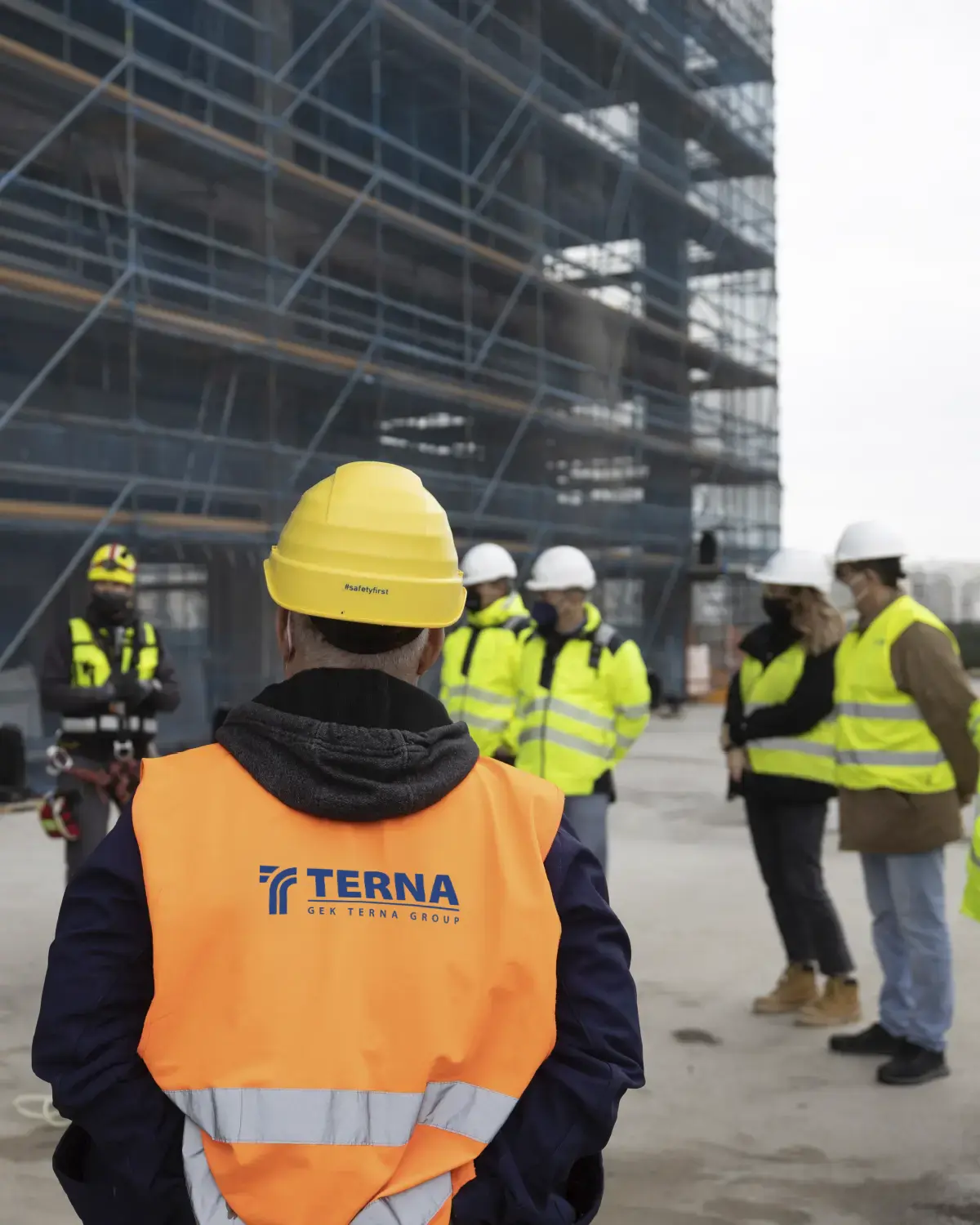
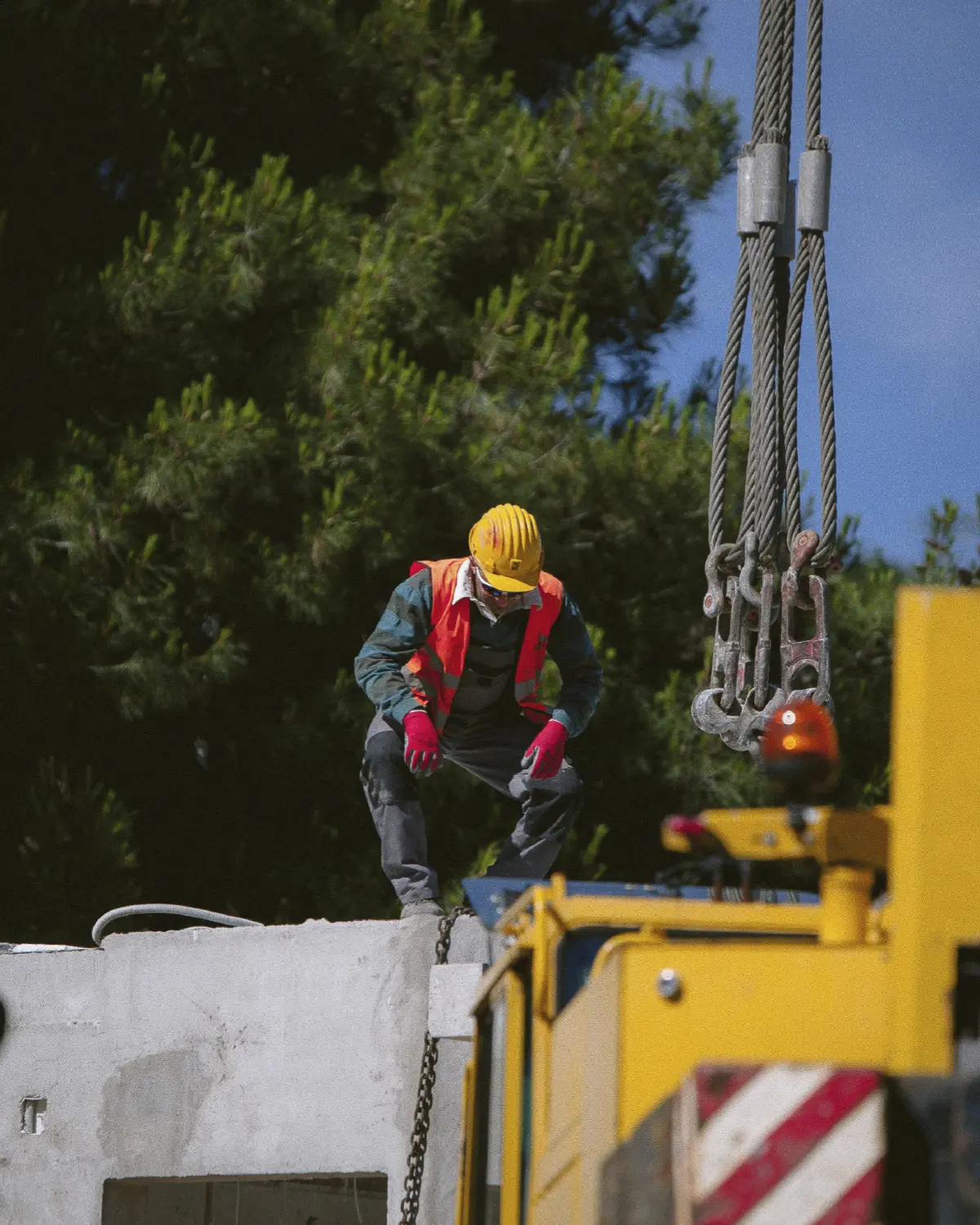
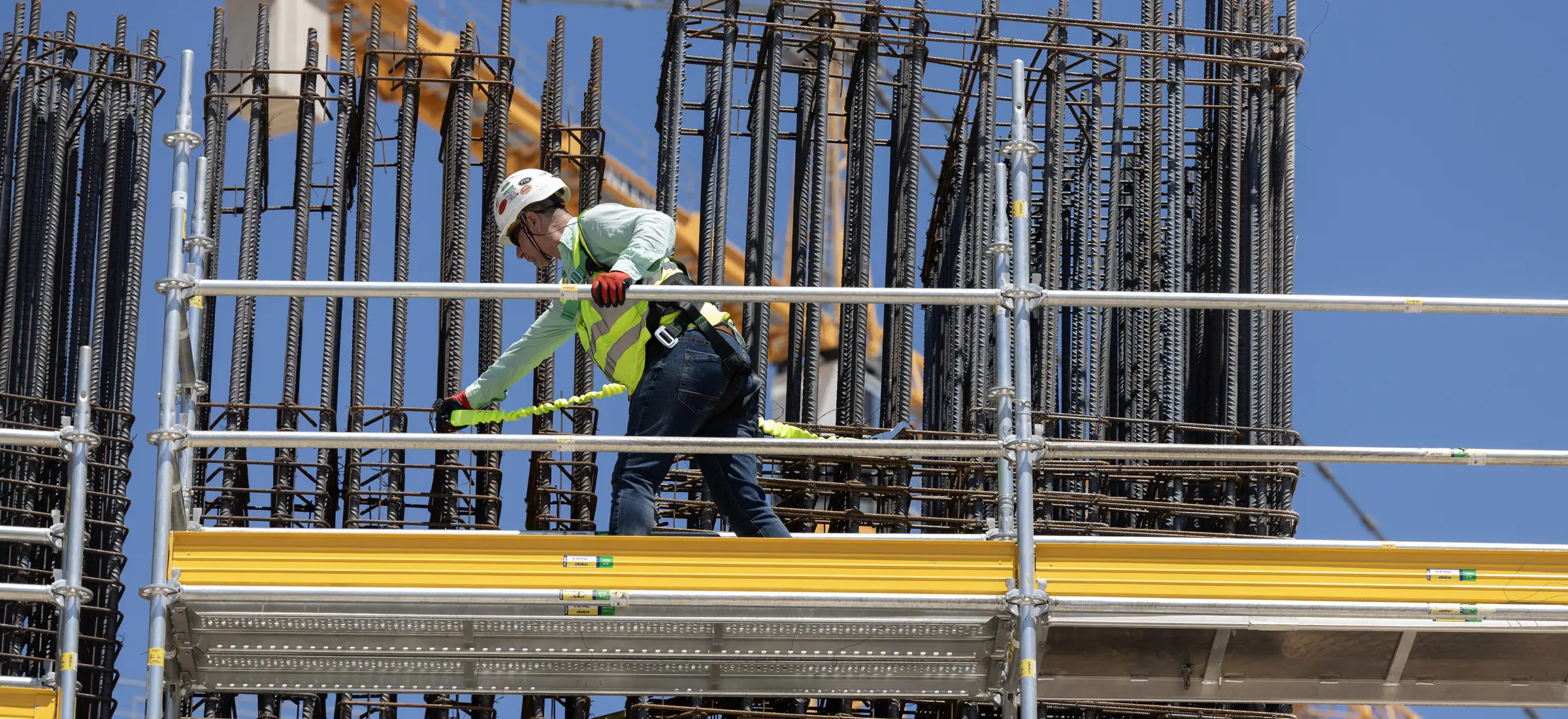
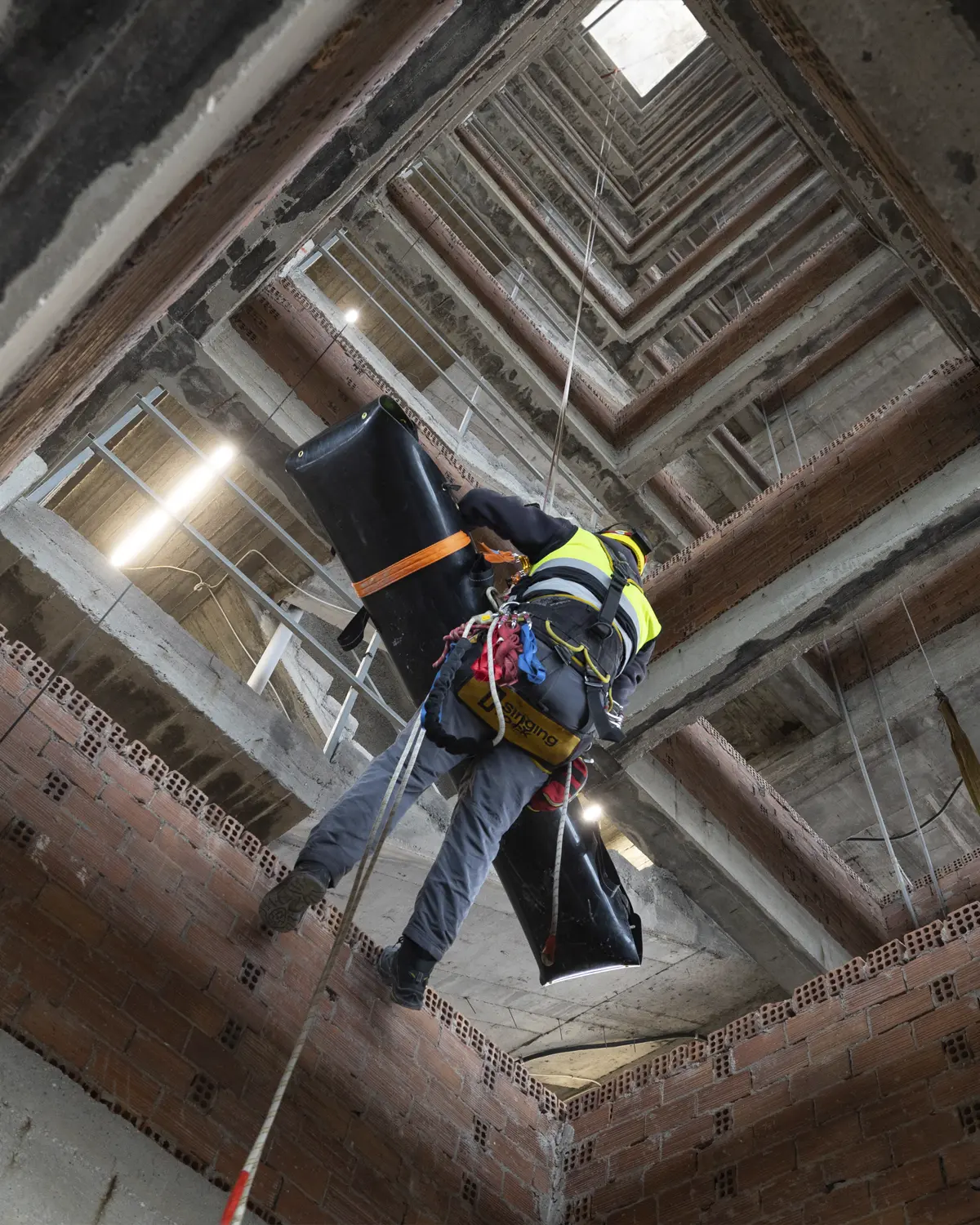
Safeguarding the Health and Safety of employees, partners and visitors at the Group’s facilities and worksites is a strategic priority and an integral element of the Group’s responsible business operations. Thus, Occupational Health and Safety is considered a fundamental human right as GEK TERNA is actively committed to the continuous upgrading of working conditions in every sector of activity.

Occupational Health and Safety — GEK TERNA

Health and Safety Management System

In this context, the Group implements an integrated Health and Safety Management System, certified according to the international standards ISO 45001 and ISO 39001, which is fully aligned with all applicable legal, national, European and international requirements. The System covers the Group’s entire human capital, as well as subcontractors, and is implemented across all sectors in which it operates.

The main characteristics of the Health & Safety System are summarized as follows:

  • Full compliance with the applicable legal and regulatory framework, as well as with internationally recognized health and safety standards, as a basic prerequisite for sustainable and responsible operations.
  • Systematic monitoring and continuous improvement of policies, procedures and performance indicators on Health and Safety matters, with the aim of preventing and eliminating accidents.
  • Investment in cutting-edge technologies and best practices that enhance predictive capability and operational readiness in critical situations.
  • Ensuring adequate staffing with specialized personnel (Safety Technicians, Occupational Physicians) at each facility, in accordance with legal provisions and the particular needs of each project.
  • Establishment and regular activation of emergency plans through organized scenarios and preparedness drills, with the aim of strengthening resilience and rapid response.
  • Strict application of the “No work unless safe” policy – No work is permitted to commence without ensuring appropriate equipment, adequate training and sufficient personnel.
  • Ongoing training of human capital on safety, prevention and first aid issues, in order to strengthen risk prevention and management capabilities.
  • Cultivation of a unified corporate Health & Safety culture, with clear target-setting, employee empowerment and integration of the relevant values at all levels of management and operations.
  • Continuous inspection and technical adequacy of facilities and equipment, with the aim of preventing wear, failures and operational deviations.
  • Regular inspections and reviews, as part of the corporate governance mechanism and risk management strategy.

The Group’s Senior Management actively supports the implementation of the Health and Safety System in every project, both in Greece and abroad, ensuring cooperation and consultation with employees for the achievement of the targets set and the necessary resources for its continuous improvement.

During 2025, 78 preparedness drills and 327 internal inspections* were carried out at the Group’s facilities and projects, as part of the systematic monitoring and compliance control with Health & Safety requirements.

At the same time, extensive training programs on occupational Health and Safety were implemented, with the total number of training hours amounting to 9,650 hours**, reflecting the Group’s practical commitment to strengthening a prevention culture and continuously improving the skills of all personnel involved.

Training & preparedness drills — Health and Safety

* This refers to the total number of inspections carried out by the Internal Audit Unit, the Compliance Unit, and the Health and Safety Directorate.

** Environmental and Energy topics are also included.

GRI403-8

Health and Safety Management System*

Coverage
98%

The Health and Safety management system covers 13,814 out of the Group’s total workforce of 14,094 individuals, including employees and subcontractors.

Of the 13,814 covered:

6,149

Employees covered by the management system

7,665

Workers who are not employees but whose work and/or workplace is controlled by the organization

* The number of employees presented refers to the number of salaried employees and self-employed professionals comprising the Group’s workforce. The number of workers who are not employees but whose work and/or workplace is controlled by the organization refers to the number of subcontractor personnel.

GRI403-2 GRI403-4

To ensure timely prevention and minimization of risks, the Group applies a systematic approach to their assessment, on both a regular and non-regular basis. Specifically, the Group:

  • Identifies and applies all legal and other relevant requirements for health and safety.
  • Cooperates with External Safety Advisors (EXYPP) for the preparation of studies and the implementation of prevention measures.
  • Cooperates with Occupational Physicians who systematically monitor employee health.
  • Conducts internal inspections to ensure compliance with the health and safety management system.
  • Designs and implements emergency response plans and drills.
  • Monitors and records all relevant physical, chemical and biological factors that affect employee health and safety.
  • Provides appropriate personal protective equipment to each employee according to the type of work performed.
Elimination
Substitution
Engineering controls
Administrative controls
PPE

As part of its commitment to responsible and transparent governance, the Group has established the annual review as a pivotal tool for evaluation and decision-making. Through this process, Management examines critical issues relating to Health, Safety, Quality and the Environment, in order to design appropriate actions and set clearly measurable improvement targets.

At the same time, the active participation of employees and other stakeholders is encouraged, as they are given the opportunity to submit comments, observations or reports — either by name or anonymously — through the established communication channels:

  • Sending an email by completing the relevant reporting form, which forms part of the Integrated Management System, and submitting it electronically to: hsedepartment@gekterna.com or compliance@gekterna.com
  • Using the Group’s platform www.gekterna.integrityline.com/frontpage
  • Sending a letter to: “GEK TERNA S.A.”, 85 Mesogeion Avenue, Athens 115 26, Greece, addressed to the Company’s “Regulatory Compliance Officer,” marked “Confidential”.
  • Recording employee opinion anonymously via QR Code.

The Group’s Senior Management ensures the anonymity and confidentiality of all individuals submitting reports, while also protecting them from any form of retaliation, in accordance with the provisions of the Group’s Code of Conduct. Incidents related to Health and Safety are investigated by completing a dedicated form from the Integrated Management System.

At the same time, insurance programs are offered that cover long-term illnesses of the Group’s employees. These programs ensure access to high-quality healthcare and the necessary support, contributing substantially to strengthening employee well-being and safety in the workplace.

GRI403-9 ATHEX ESGSS-S6 ESRSS1-14 SASBIF-EN-320a.1
2025 Insights*
11,920,051
Number of hours worked.
Zero
Number of fatalities as a result of work-related injury.
Zero
Rate of fatalities as a result of work-related injury.
123
Number of recordable work-related injuries**.
10.3
Rate of recordable work-related injuries.
1,202
Number of days lost due to work-related injuries and fatalities resulting from occupational accidents.
2.06
Accident frequency rate.
20.2
Accident severity rate.

Maintaining zero fatal incidents remains a key benchmark for the Group. At the same time, increased operational activity and higher working hours make continuous vigilance, systematic personnel training and the further strengthening of preventive mechanisms imperative. The Group systematically monitors health and safety indicators, investigates all incidents and leverages the relevant findings to implement corrective and preventive actions.

*
  • The indicators are presented in rounded figures.
  • The indicators have been calculated using the 200,000 factor (total number of recorded work-related injuries or number of lost workdays due to occupational accidents / total number of hours worked by all employees during the year) × 200,000. The factor 200,000 represents the number of hours worked by 100 full-time employees in one year.
  • The rate of recorded work-related injuries has been calculated using a factor of 1,000,000.
  • Work-related hazards that may cause injuries have been identified and documented by the Safety Technician in collaboration with the operations and project managers of each facility, through the occupational risk assessment process. In the event of an injury, the Safety Technician provides recommendations to ensure compliance with safety rules and guidelines, aiming to promote due diligence.
  • Near-miss incidents and first aid cases are not included.
  • The workforce figure presented refers to the total number of workers, including, in particular, salaried employees, self-employed individuals, and non-salaried workers engaged through employment agencies (non-employees as defined under ESRS).

** Refers to: LTI > 3 (Lost Time Injuries) – Work-related incidents resulting in more than three (3) lost workdays; LTI ≤ 3 (Lost Time Injuries) – Work-related incidents resulting in up to three (3) lost workdays; MTC (Medical Treatment Cases) – Incidents requiring medical treatment beyond first aid; RWC (Restricted Work Cases) – Incidents where the employee is assigned restricted duties due to a work-related injury.

Case study — IRC Hellinikon

The IRC Hellinikon is a landmark development covering 243,000 m², featuring the 190–200 m high Hard Rock Hotel & Casino tower. Facilities include a 15,000 m² gaming floor, 900 hotel rooms, 200 suites, an 8,500 m² convention center, and a 3,000-seat arena. Designed and built by GEK TERNA S.A. under EPC contract, the project meets Eurocode 8 seismic standards and employs advanced HVAC, fire safety, and low-energy façade systems. Completion is targeted for 2029.

IRC Hellinikon — landmark development

At the IRC Hellinikon project, one of the most complex and demanding construction undertakings in Greece, Health and Safety is a non-negotiable priority at every stage of implementation. The scale of the project, the large number of employees and subcontractors, and the simultaneous execution of multiple activities make the systematic and effective management of Health and Safety matters a critical success factor, based on continuous coordination, a preventive approach and a strong daily presence in the field.

In 2025, a comprehensive and multi-layered framework of actions was implemented, focusing on prevention, the empowerment of employees through appropriate training, and the strengthening of operational readiness to respond to emergency incidents. As part of the ongoing enhancement of Health and Safety standards, particular emphasis was placed on the preparation and training of the construction site for the installation of an integrated digital system for managing Health and Safety conditions and incidents through the Dalux application. Use of the system significantly upgrades the capabilities for recording, monitoring and timely management of related matters, strengthening risk prevention, transparency in incident reporting and the systematic improvement of the project's Health and Safety performance.

In addition, extensive induction and specialized training programs were carried out, emergency preparedness drills were conducted in cooperation with external bodies, and systematic internal audits and on-site safety inspections were performed with the active participation of the project team and subcontractors. At the same time, targeted interventions were implemented to strengthen effective communication and preventive risk management, through enhanced signage, safety boards and specialized information material at critical points of the construction site. All information material is available in multiple languages, ensuring universal access to and understanding of critical Health and Safety instructions.

Furthermore, a Community Health and Safety Plan was implemented, designed to prevent, monitor and effectively address potential risks and impacts that may arise from the operation of the construction site. Through the Plan, awareness, preparedness and the safety culture were substantially enhanced, both within the project and in neighboring areas, ensuring a high level of protection for the local community and reinforcing the Group's commitment to the responsible implementation of its projects.

This approach contributes substantially to reducing operational risk and strengthening consistent and safe behavior among all employees, while also removing barriers related to the linguistic and cultural diversity of the workforce, fostering a more inclusive and effective safety culture.

565
Health & Safety trainings
2,888
Training hours
1,877
Participants
272
inspections using standardized checklists (HSEEM System)
72%
Specialized training sessions
Training Evaluation Survey
by participants
82%
Subcontractors
GRI404-1 GRI404-2 ATHEX ESGC-S5 ATHEX ESGA-S2 ESRSS1-13

Employee Training & Development

Continuous learning and employee skills development are core elements of the Group’s philosophy, as they enhance productivity, foster innovation and support the achievement of its strategic objectives, while shaping a modern and competitive work environment. Recognizing the importance of lifelong learning, the Group consistently invests in targeted training programs that empower employee skills and support them in implementing the organization’s strategic priorities.

The Group’s Training Policy constitutes the primary framework governing employee development, defining internal processes for human capital development as well as for the dissemination of knowledge and expertise across the organisation. The Human Resources Division is responsible for implementing this Policy, which is tailored, where appropriate, to the specific needs of each subsidiary.

The Group’s training plan includes the following actions:

  • In-house training programs
  • Inter-company programs delivered by external providers
  • Participation in conferences, seminars, lectures and exhibitions
  • Professional qualification certifications
  • Foreign language courses
  • Sponsorship of postgraduate studies
Employee training GEK TERNA

As part of its digital transformation, the Group operates a centralised digital Learning Management System (LMS – Knowledge Center) across all its companies, providing a unified, interactive and modern learning environment. The platform offers employees a comprehensive learning experience through the use of advanced e-learning technologies. On an annual basis, internal training sessions are delivered by managers and specialised professionals, covering critical topics such as Health and Safety, Environmental Management, Data Protection, Cybersecurity, and the implementation of the Code of Conduct.

2025 Insights
27,610
Training hours for the Group’s employees.
294,540
Total training expenditures.
4.5
Average training hours per employee.

Average training hours 2024-2025

by employee gender
2025 2024
3.9 5.0 Male 6.8 10.2 Female
by employee category
Male Female
Technicians & others 4.8 6.4 Technicians 1.3 3.3 Administrative staff 8.4 7.8 Technicians & others 1.4 1.4 Technicians 6.8 2.2 Administrative staff 14.6 13.9

The implementation of the above actions corresponds to total expenditures of €294,540, showing an increase of 65% compared to 2024, a fact that reflects the strengthening of the Group’s investment in targeted training initiatives. The content of the programs remained focused on critical topics connected with safe operation, compliance, technical adequacy and the professional development of employees.

Training courses completed by topic
Internet and Social Media
2,560
Bribery – Corruption
2,810
Workplace Bullying
2,820
The Lost Password Mission
905
Conflict of Interest
2,670

In line with the Group’s philosophy, performance evaluation is approached as an ongoing process of communication, aimed at fostering effective collaboration, individual development and collective progress. Across the Group’s subsidiaries, and in accordance with the nature of their respective activities, a comprehensive employee performance evaluation system is implemented. The system is designed to identify both the strengths and the challenges faced by each employee, thereby providing meaningful support for their continued development and professional growth.

Performance criteria and feedback processes are structured with a strong emphasis on meritocracy and transparency, ensuring that employees clearly understand expectations and receive constructive feedback on their performance. In this context, regular meetings are held with direct supervisors, during which concerns, needs and suggestions are discussed, contributing to the improvement of both individual performance and day-to-day operations.

GRI3-3 GRI2-23 GRI2-24 GRI405-1b GRI406-1 ATHEX ESGC-S2 ATHEX ESGC-S3 ESRSS1-9

Human Rights & Equal Treatment

Equal Opportunities, Diversity & Inclusion

Promoting equal opportunities is a fundamental value for the Group and a core pillar of its corporate culture. The Group recognizes that sustainable and equitable development is grounded in conditions that promote diversity, strengthen inclusion and ensure respect and dignity of every individual, both in the workplace and in society.

To this end, the Group invests in fostering a work environment that respects and empowers diversity, equality and inclusion, acknowledging that a diversity of people and ideas serves as a catalyst for innovation, creativity and organizational resilience. The Group’s Code of Conduct safeguards equal treatment of all employees, regardless of age, gender, religion, nationality, beliefs or sexual orientation, while also promoting balanced gender representation at all employment levels.

More specifically, the Group’s strategic directions and objectives in this area include:

Balanced representation of all genders at every employment level.

Continuous strengthening of women’s presence in the Group’s companies, at all levels of hierarchy.

Systematic tracking and monitoring of the distribution of women employees by geographic region, age group and employment level.

Female representation — 2025 vs 2024

Senior management level
+4.0 percentage points vs 2024
Total workforce
−1.2 percentage points vs 2024

The age profile of the Group’s workforce reflects a combination of experience and fresh perspectives. In 2025, 9.5% of employees were under the age of 30, 54.9% were between 30 and 50 years old, and 35.6% were over 50 years old. This composition supports knowledge transfer across different generations and contributes to maintaining operational continuity and expertise. At the same time, it highlights the need to further strengthen the participation of younger professionals, which the Group promotes through internship programmes and targeted early-career integration initiatives.

Employee percentage by age group

6,149
Total employees
9.5% < 30 years
54.9% 30 – 50 years
35.6% > 50 years

Distribution by employee category

Administrative staff
48.2% Male
51.8% Female
Technicians
90.1% Male
9.9% Female
Rest of workers
92.9% Male
7.1% Female

Workplace Violence and Harassment Policy

The Group’s commitment to fostering a healthy and safe working environment is reflected in the Workplace Violence and Harassment Policy. This policy confirms the Group’s recognition of and respect for every employee’s right to a workplace free from violence and harassment, emphasizing respect for and the safeguarding of human dignity. Through this policy, the Group declares zero tolerance for any form of discrimination and for any incident of violence and harassment, taking all appropriate and necessary measures to prevent and address such behaviors and ensuring an environment of respect and safety for all employees.

To enhance transparency, enable the timely reporting and investigation of incidents, and strengthen employee confidence that issues related to discrimination, harassment or misconduct can be reported without fear of retaliation and addressed consistently and with zero tolerance, the Group has established a grievance mechanism with multiple communication channels, which is communicated to all employees.

In 2025, 13 incidents of discrimination were recorded through the grievance mechanism, all of which were managed in accordance with the procedures set out in the Reporting Policy. For the GEK TERNA Group, the protection of human rights and equal treatment are not treated as stand-alone policies, but as an integral part of its culture, human resources management and responsible business operations.

GRI401-2 GRI405-2 ATHEX ESGA-S3 ATHEX ESGA-S4 ESRSS1-16

Equal Opportunities, Compensation and Benefits

The Group implements actions and initiatives that reflect respect for employee rights, supporting a work environment founded on equality, transparency and meritocracy. In this context, it seeks to shape a compensation and benefits system that ensures, at a minimum, legal remuneration and at the same time contributes to attracting and retaining suitable and specialized human capital.

The Remuneration Policy is shaped based on objective and measurable criteria, which include the significance and responsibilities of each position, the scope of duties, educational background, professional experience, skills and ability to achieve targets. Beyond the provisions of labor legislation, the Group provides additional benefits and facilities for the uninterrupted performance of employee duties (indicatively, group health and life insurance, company transportation vehicle, mobile phone connection).

At the same time, the Group applies clearly defined recruitment procedures designed to ensure transparency, meritocracy and optimal utilization of human capital. The consistent and systematic implementation of the Group’s Recruitment Policy ensures that all related decisions are free from bias and discrimination based on gender, nationality, language, religion, political beliefs, disability or sexual orientation. The Human Resources Department monitors the proper implementation of the Policy, ensuring timely and impartial handling of any incidents.

2025 Insights
20.1%
Gender pay gap between men and women.
22.6
Ratio of highest-paid individual total annual remuneration to the median annual remuneration of employees.

Priority is given to meeting staffing needs through internal mobility and the development of existing talent, thereby supporting career progression and mobility within the Group. Where internal coverage is not feasible, external recruitment processes are activated, based on objective and predefined selection criteria.

Enhancing employment and creating opportunities at the local level are key components of the Group’s strategy, as new jobs are covered as a priority by personnel from local communities, contributing to the development and well-being of each region. Transparency and meritocracy characterize all stages of human capital management procedures, reinforcing relationships of trust with employees.

The Group’s approach to remuneration management promotes pay transparency and gender equality, fostering a fair and inclusive work environment. More specifically, a unified compensation framework has been adopted for all positions and roles, linking remuneration to each employee’s capabilities and the responsibility of the role undertaken.

Within this context, the Group records and monitors two key indicators on an annual basis: the gender pay gap, which stood at 20.1% in 2025, and the ratio of the total annual remuneration of the highest-paid individual to the median annual remuneration of employees, which amounted to 22.6 in 2025.

GRI2-23 GRI408-1 GRI409-1 ATHEX ESGC-S6 ESRSS1-1 ESRSS2-1

Protection of Human Rights

For GEK TERNA Group, respect for human rights is a non-negotiable principle and fundamental value, underpinning both its relationships with employees and with its business partners. Therefore, every aspect of the Group’s operations is guided by this commitment, fostering a working environment that upholds dignity and ensures zero tolerance for any form of discrimination or mistreatment.

Given its international presence and the multidimensional nature of its activities, the Group employs a significant number of individuals, both directly and indirectly through partners and subcontractors. For this reason, it applies strict standards and policies to safeguard fundamental rights across all levels of its value chain, reinforcing its commitment to sustainable and responsible business conduct.

Protection of human rights

This commitment is further strengthened through the implementation of the Group’s Human Rights Policy, which is aligned with the United Nations Guiding Principles on Business and Human Rights, as well as with the following international frameworks:

  1. 01The United Nations Universal Declaration of Human Rights.
  2. 02The United Nations International Covenant on Civil and Political Rights.
  3. 03The United Nations International Covenant on Economic, Social and Cultural Rights.
  4. 04The United Nations Guiding Principles on Business and Human Rights.
  5. 05The United Nations Global Compact Principles.
  6. 06The ILO Declaration on Fundamental Principles and Rights at Work.
  7. 07United Nations Resolution 46/7 on human rights and the environment.
  8. 08Management’s voluntary commitments on security and human rights.

The Policy establishes the framework and principles for respecting human rights in the workplace, aiming to safeguard the rights of employees, business partners and the local communities in which the Group develops its activity. Key focus areas include the elimination of discrimination, including all forms of harassment, the promotion of equal opportunities, and the strengthening of diversity and inclusion. The scope of the Policy extends across all countries of operation and addresses human rights considerations for all categories of affected stakeholders.

The Policy is publicly available on the Group’s website, ensuring accessibility for all stakeholders. In addition, it is supported by the Group’s Compliance Division Grievance Mechanism, which is accessible to all stakeholders through multiple communication channels, facilitating and encouraging reporting. All reports are subject to thorough review and, where necessary, appropriate disciplinary actions are taken.

Environmental, Social and Corporate Governance (ESG) Policy

The Group’s ESG Policy includes a distinct pillar for the protection of human rights, setting the framework for the Group’s fundamental commitment to safeguarding labor rights. The Group upholds freedom of association, equal treatment at work and the complete elimination of forced and child labor, expressly prohibiting every related practice. At the same time, it systematically invests in training and raising personnel awareness, setting as key objectives the maintenance of zero incidents of violations and universal information on human rights matters.

GEK TERNA Group is committed to preventing incidents of human rights violations across its entire supply chain, using control mechanisms that cover all its activities. In this context, the Sustainable Procurement Policy applied condemns forced labor and ensures that the Group operates with full respect for children’s rights. At the same time, the Group is committed to the timely prevention and identification of actions that are not aligned with its operational framework for the protection of Human Rights, maintaining the possibility of conducting on-site assessments.

GRI3-3 GRI203-1 GRI413-1 ATHEX ESGSS-S10

Supporting Local Communities

GEK TERNA Group actively supports local communities through actions that strengthen social resilience and well-being. Its strategic objective is to build long-term relationships of trust and mutual benefit with residents and stakeholders in the areas where it operates.

Social contribution initiatives are designed based on the needs of each local community and are implemented within the framework of continuous dialogue with residents, local bodies, social organizations and other stakeholders. Through this approach, the Group seeks to respond to real needs, create long-term value and contribute substantially to improving citizens’ daily lives.

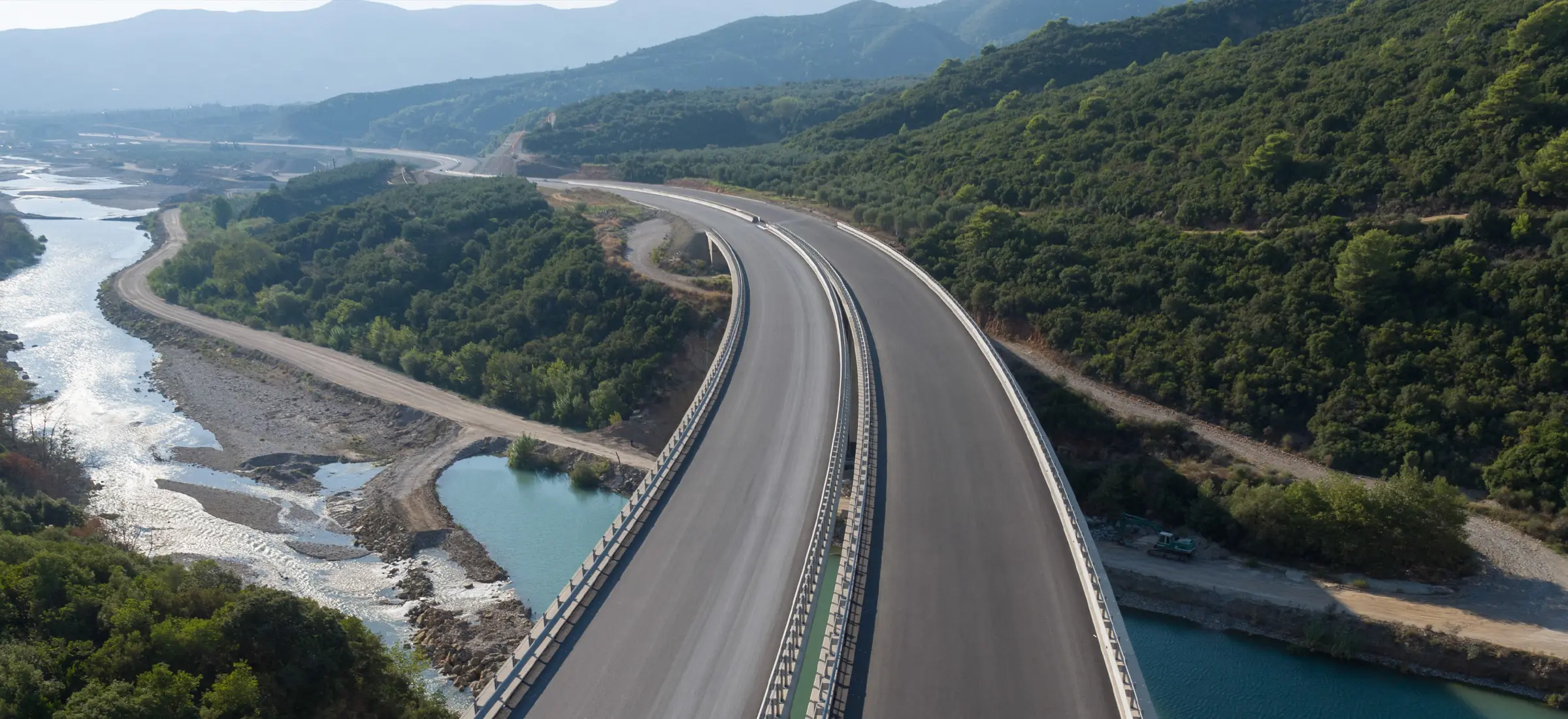
The Group’s social contribution is directly linked to its business model and the implementation of projects of strategic importance. Through infrastructure development, job creation, cooperation with local suppliers and support for social actions, the Group contributes to strengthening the local economy, improving quality of life and empowering social cohesion.

Supporting local communities
2025 Insights
326
Actions through sponsorships and donations.
5.5€ million
Social investments through sponsorships, donations and infrastructure projects.
98.9%
of actions were carried out in Greece.
94%
relates to interventions at regional level.

In 2025, the Group implemented a total of 326 actions through sponsorships and donations, with social investments amounting to €5.5 million. 98.9% of the actions were carried out in Greece, with 94% relating to interventions at regional level, strengthening decentralized development and contributing substantially to supporting the local communities where the Group operates.

Areas of social contribution

Health
Education
Emergency support
Inclusion
Environment

Immediate response to emergency situations

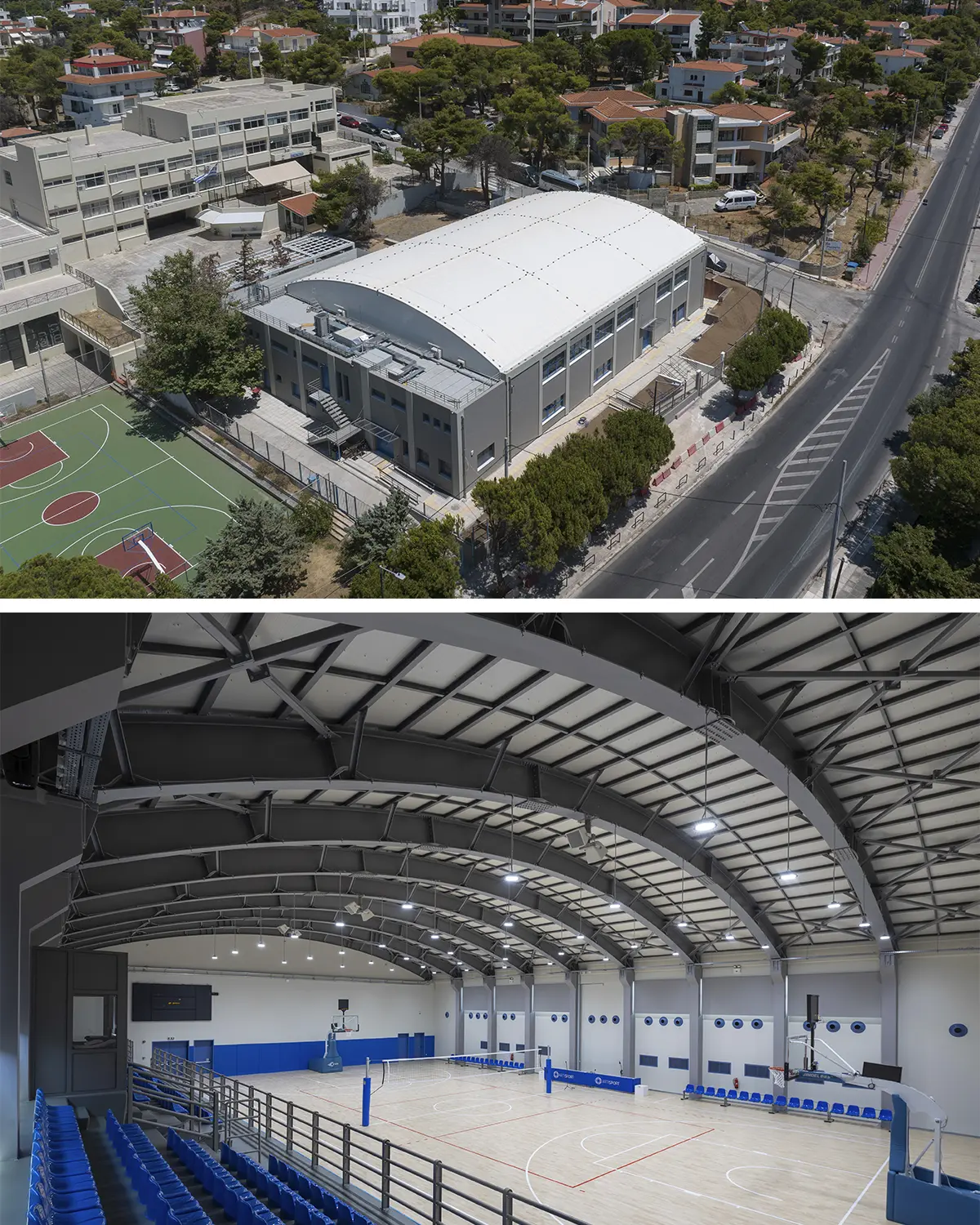
The Group contributed to actions for the restoration and strengthening of infrastructure with a direct benefit for local communities. Indicatively, it supported the reconstruction of the Nea Penteli Indoor Gymnasium following its destruction by the forest fire in the summer of 2023. At the same time, targeted actions were implemented to support civil protection and public safety services, as well as to strengthen Traffic Police Departments along road axes managed by the Group.

Education and the Younger Generation

In 2025, GEK TERNA Group, through its sponsorship Program “Skillful Generation”, continued to invest steadily in education and in the development of young people’s skills, substantially strengthening the country’s future.

01

NTUA Professional Postgraduate

Maintaining funding for the Professional Postgraduate Program “Management of Infrastructure and Construction Projects” of the National Technical University of Athens. It is worth noting that the program, which started in autumn 2023, has already produced its first graduates.

02

STEM & Soft Skills

Supporting the implementation of the educational program “STEM and Soft Skills”, implemented by Together for Children in cooperation with the Department of Pedagogy of the National and Kapodistrian University of Athens.

03

NTUA Educational Visits

Funding educational visits for students of the National Technical University of Athens to major projects and worksites, both in Greece and abroad, giving them the opportunity to connect theoretical knowledge with practical experience and to experience first-hand the pulse of modern construction.

Strengthening Inclusion

The Group participated in the Philanthropy Awards 2025 “Heroic Hearts”, supported the Lara Guide Dog School and Blacklight initiatives that promote respect, accessibility and inclusion. These actions contribute to strengthening social awareness and promoting a more inclusive social environment.

Contribution to care for socially vulnerable groups

The Group participated in initiatives supporting vulnerable groups and households. Indicatively, it participated in the Christmas Telethon “We Are One”, which supported approximately 300,000 children, while also supporting Church social programs and actions to support vulnerable households.

The evaluation and monitoring of social contribution actions is based on the systematic recording of expenditures related to sponsorships, donations and infrastructure projects. This recording includes the amount of expenditure, the purpose of the action and the geographical area of implementation, while the actions are categorized by thematic area, such as education, health, culture, infrastructure and social support.

Through these actions, GEK TERNA Group strengthens the cohesion, resilience and development of local communities. Its social contribution is practical proof of its commitment to operating as a responsible social partner, creating value that extends beyond the boundaries of business activity and responds to society’s needs.

Local communities — social actions

Sustainable Supply Chain

The Group continuously adapts its supply chain management procedures, to respond promptly and effectively to emerging challenges, ensuring its sustainable development with responsibility and consistency. By investing in building long-term relationships of trust with its suppliers and partners, the Group promotes a collaboration model founded on accountability, transparency and mutual growth. Its key objective is to select suppliers based on criteria that take into account social, environmental and economic considerations, thereby contributing to the transition towards a truly sustainable supply chain.

At the core of the Group’s efforts for a sustainable supply chain are:

Respect for human rights

Protection of the environment

Ensuring occupational health and safety

The Group applies a strict framework of meritocracy and zero tolerance for corruption, promoting the payment of fair remuneration, observance of legal working hours, prohibition of discrimination and child labor, as well as freedom of association. These principles extend across the entire value chain, requiring full compliance by all partners.

In addition, suppliers are encouraged to:

  • Participate actively in addressing climate change
  • Adopt fair competition policies
  • Ensure the protection of personal data and the security of their information systems

The Group recognizes that embedding the core principles and values of its corporate culture and business ethics, as reflected in the Code of Conduct, across the full spectrum of its supply chain constitutes a key component of its responsible business conduct. To this end, appropriate tools and procedures are leveraged to support the effective implementation and monitoring of relevant requirements. The Procurement Policy strengthens the above principles and establishes a clear and transparent framework for cooperation with all suppliers, partners and subcontractors. The Policy incorporates ESG (Environmental, Social and Governance) criteria in supplier evaluation and selection, contributing to the development of a supply chain that respects sustainability and social responsibility principles.

The Group maintains a dynamic supplier database, which is continuously updated through meetings (both in person and remote) with new suppliers. Supplier evaluation is based on both qualitative and quantitative criteria, including the competitiveness of the offer, relevant certifications and documentation (reference list), as well as experience in similar projects. For high-value procurements, on-site visits are conducted at factories or completed project sites of prospective suppliers. In addition, as part of strengthening social responsibility and ESG compliance, new suppliers are required to complete a dedicated questionnaire covering human rights protection and alignment with sustainable development principles.

Procurement value by supplier category — 2025
4.75€ bn
Total
  • National88.9%
  • International8.9%
  • Related parties2.2%
Number of suppliers — 2025
10,273
Total suppliers
  • National 93.6% ▲ +0.7 pp
  • International 6.2% ▼ −0.7 pp
  • Related parties 0.2% ▼ −0.1 pp
Sustainable supply chain
2025 Insights
93.6%
of the total number of suppliers are from Greece.
4.75€ bn
Total procurement expenditure value 2025.
100%
of suppliers have signed the Code of Conduct.
100%
Percentage of suppliers with contracts that include environmental and/or social clauses.

At the same time, the Group consistently prioritises national suppliers, actively contributing to the strengthening of the local economy and social cohesion. In 2025, national suppliers accounted for 88.9% of the total procurement value and 93.6% of the total number of suppliers, with total spending exceeding €4.75 billion.